If your boiler is unreliable, inefficient or simply past its best, a new installation is often the most cost-effective decision you can make. At Kelly Heating NI, we take the time to assess your home properly — recommending the right system for your needs, not the easiest or most profitable option for us.
Your Engineer
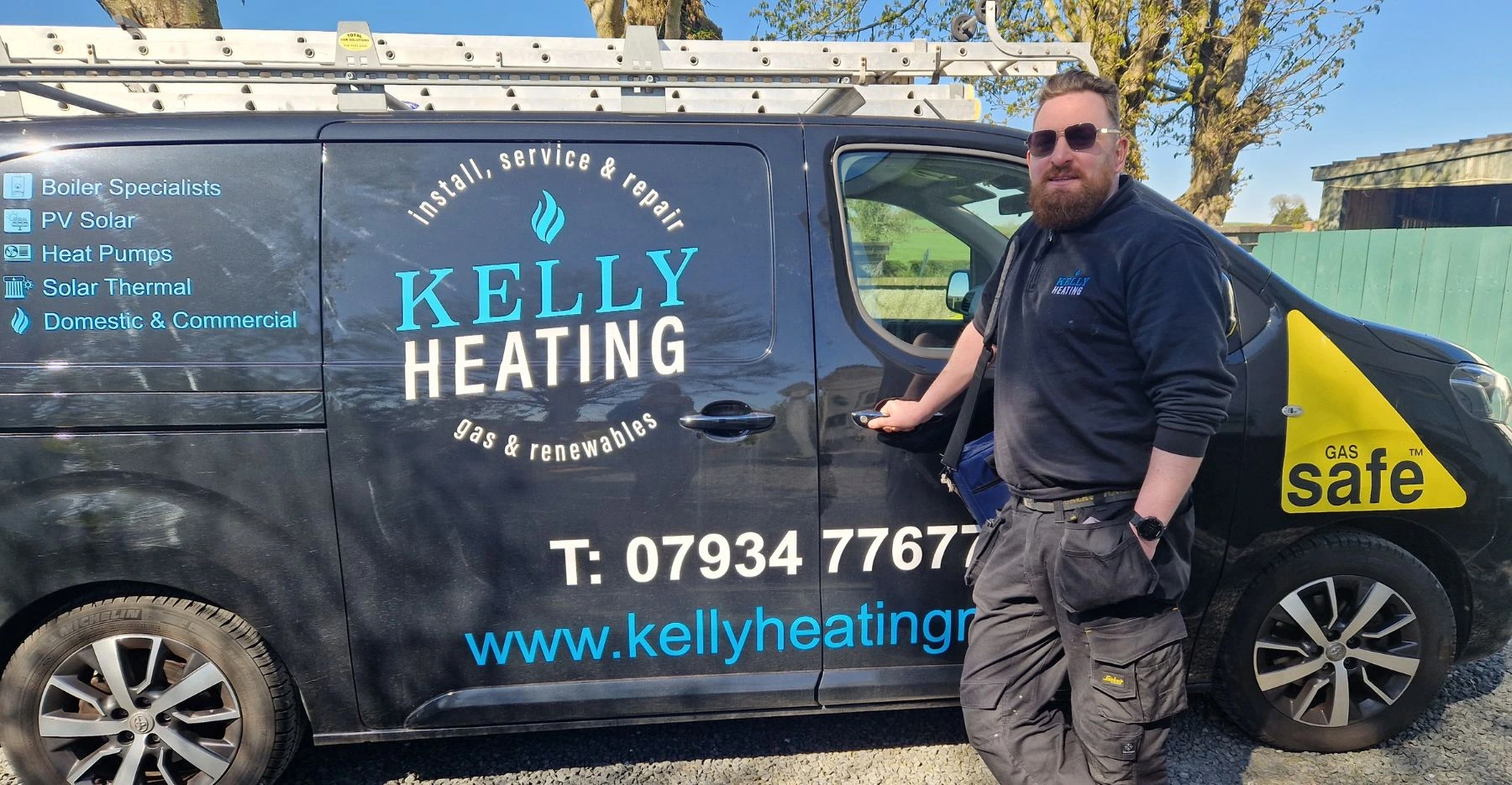
Kieran Kelly
Owner & Lead Engineer — Kelly Heating NI
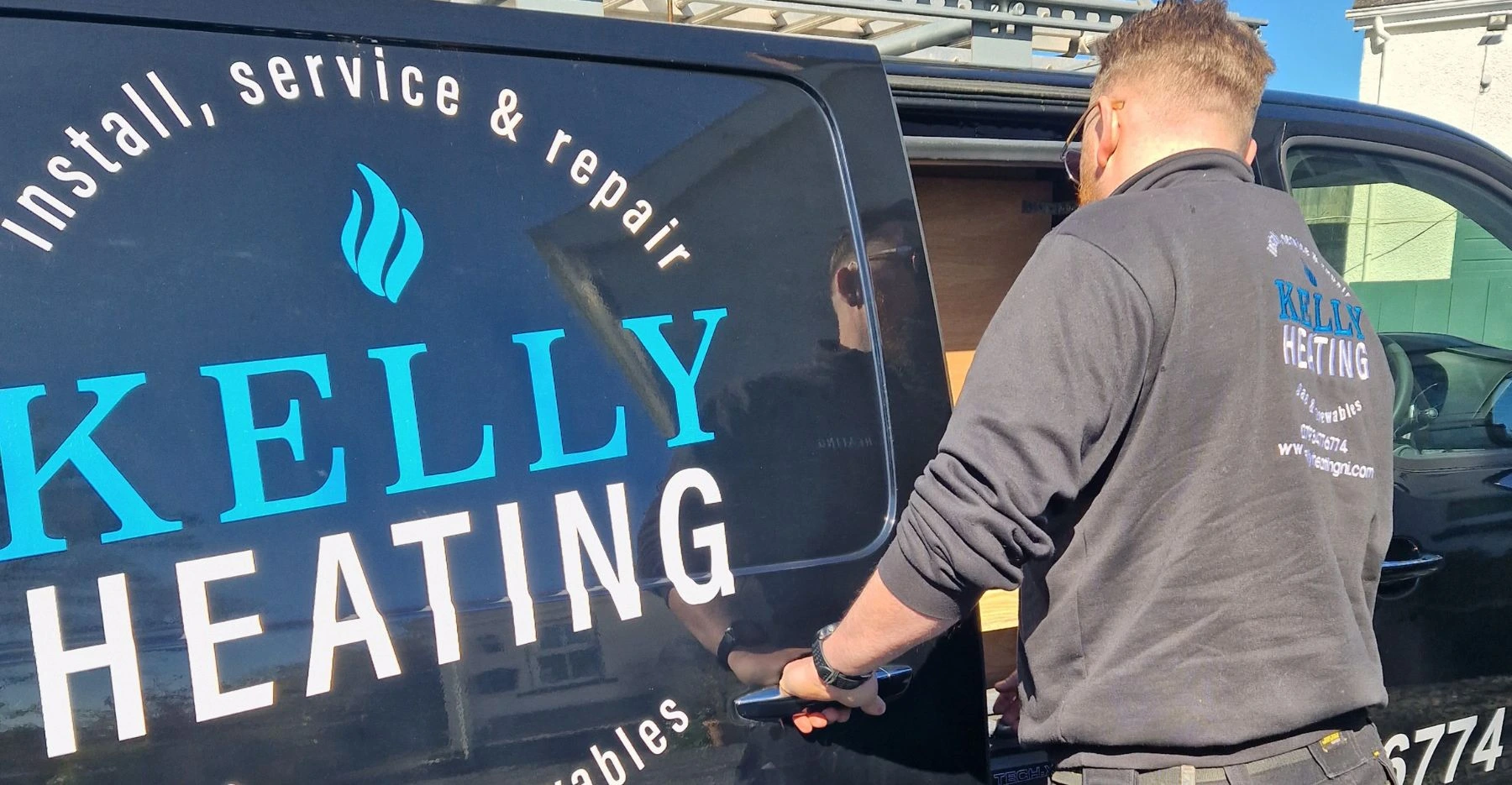
Kelly Heating NI is a small family business. When you contact us, you deal directly with Kieran — and his name and reputation are behind every installation we carry out across Belfast.
- ✓ Gas Safe Registered — No. 557696 (verifiable at gassaferegister.co.uk)
- ✓ OFTEC Certified — oil boiler installation & service
- ✓ 20+ years domestic heating experience
- ✓ No subcontractors — Kieran quotes and installs every job
- ✓ All work certificated on completion
Signs Your Boiler Needs Replacing
If you're unsure whether to repair or replace, here are the signs that a new boiler is likely the better long-term decision:
- Your boiler is over 10–15 years old and becoming unreliable
- Repair costs are mounting and approaching the cost of replacement
- Energy bills have risen despite similar usage
- Your home heats unevenly or hot water is inconsistent
- The boiler makes banging, clanking or unusual noises
- Yellow or orange flame visible (should always be blue)
- The boiler needs annual repairs to keep it running
If you're unsure, contact us for an honest assessment. We'll tell you clearly whether repair or replacement is the right call for your situation. Boiler broken down now? See our Boiler Breakdown & Repair service.
Oil Boiler vs Gas Boiler Installation
The right fuel type depends on your property and its existing heating system. Both options are available from Kelly Heating NI.
Gas Boiler Installation: If your property is connected to the mains gas network, a gas boiler is typically the most cost-effective option for heating and hot water. Gas boilers must be installed by a Gas Safe registered engineer — Kieran Kelly is Gas Safe registered, No. 557696.
Oil Boiler Installation: Many homes across Greater Belfast, Lisburn and Holywood are off the gas network and rely on oil heating. Oil boiler installations require an OFTEC registered engineer — Kelly Heating NI is OFTEC certified and experienced with all major oil boiler brands including Warmflow, Grant and Firebird.
Which boiler type suits your home? A combi boiler heats water on demand — no cylinder needed, ideal for smaller homes or single bathrooms. A system boiler works with a hot water cylinder and suits larger homes with higher hot water demand. A regular (heat-only) boiler suits older heating systems with a tank in the loft. We'll advise you on the right type for your property.
Boiler Brands We Install
We install leading boiler brands and will advise you honestly on which best suits your home, heating system and budget.
- Worcester Bosch — market leader, outstanding reliability, up to 10-year warranty with accredited installer
- Vaillant — premium German engineering, highly efficient, strong long-term track record
- Ideal — UK manufactured, strong mid-range option, excellent parts availability
- Warmflow — specialist oil boiler manufacturer, widely used and well regarded in Northern Ireland
- Grant — Irish-manufactured oil boiler brand, high performance, well suited to off-gas properties across NI
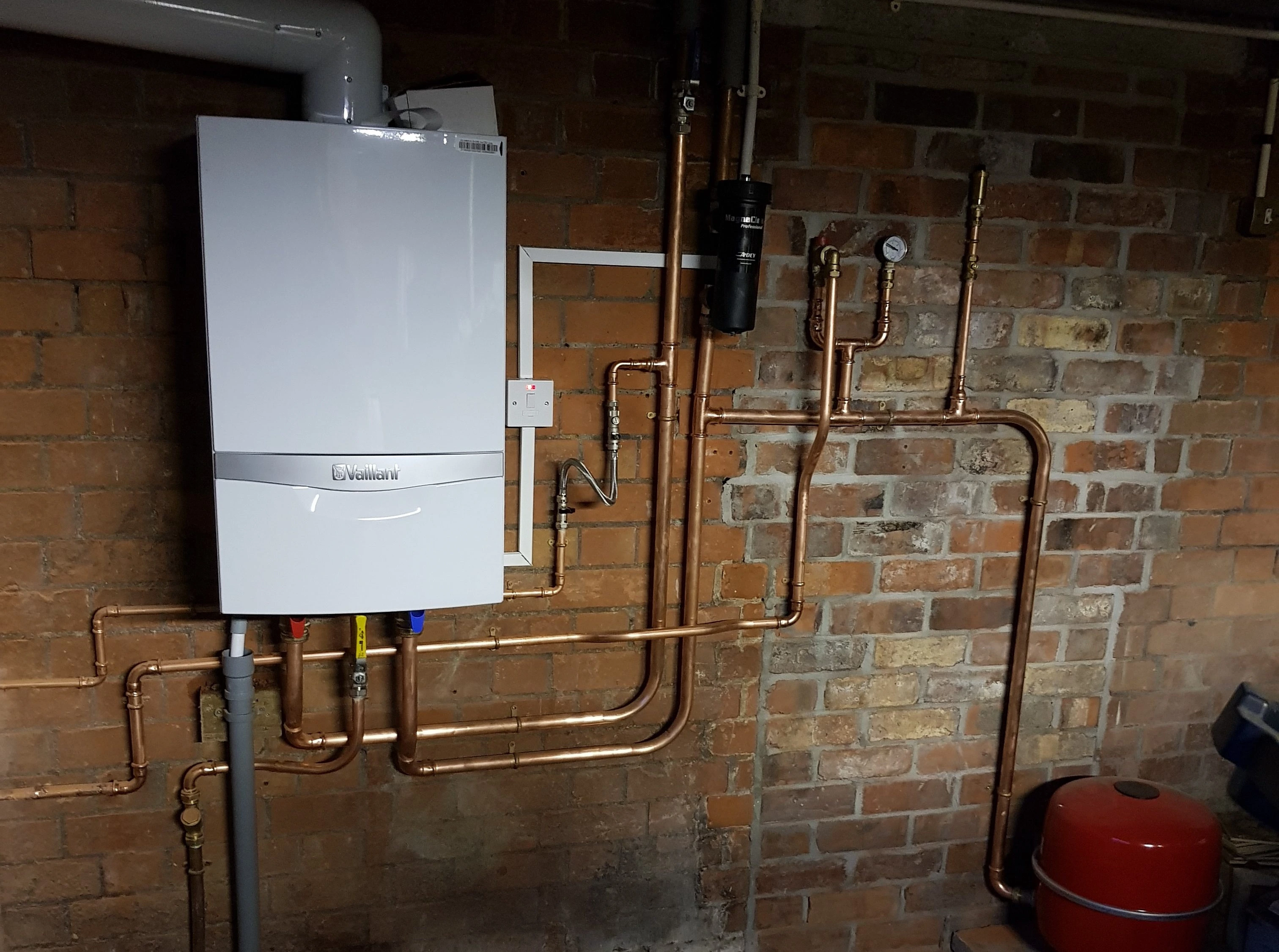
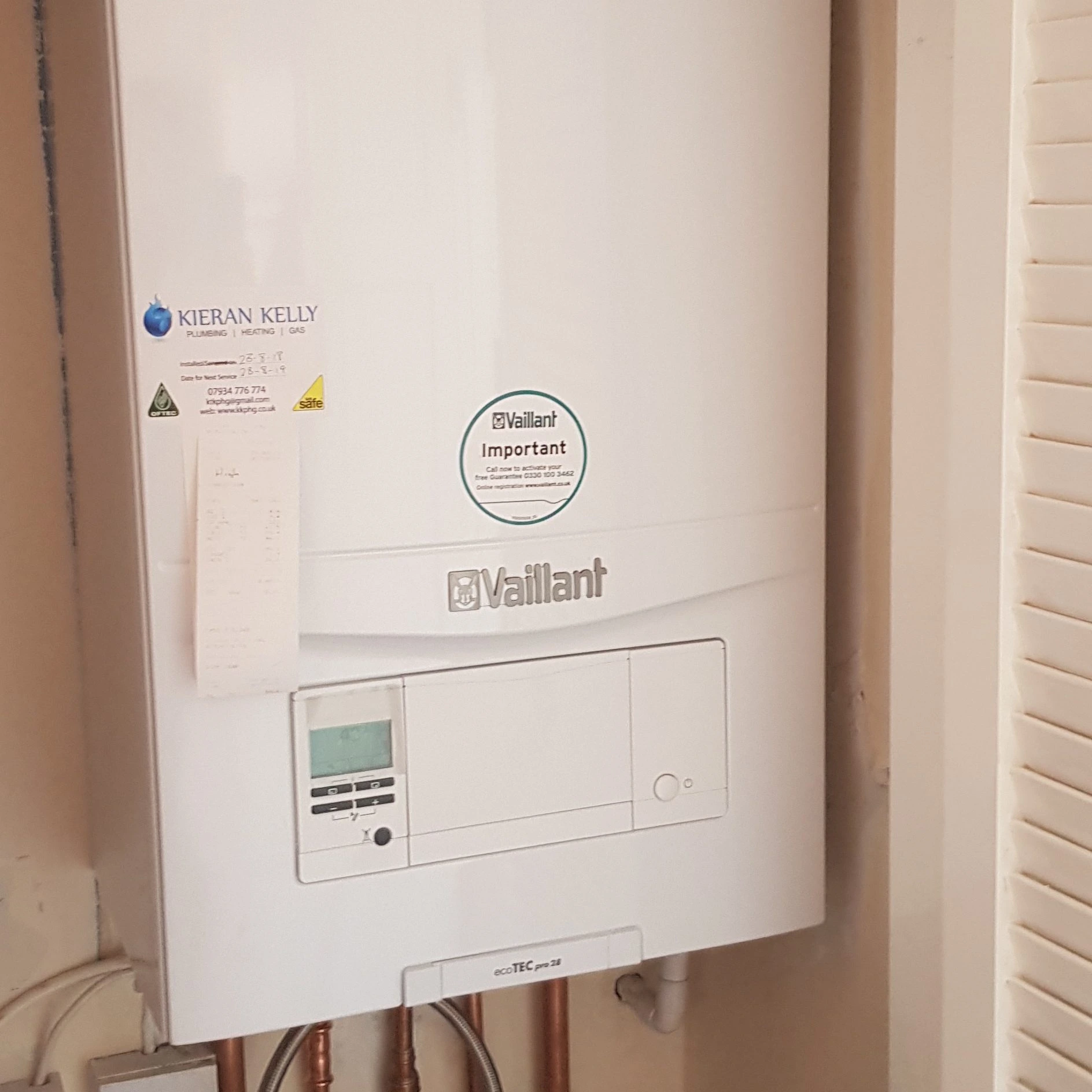
What's Included in Every Kelly Heating NI Boiler Installation
Every installation includes the following as standard — no extras to negotiate, no corners cut:
- Full site assessment and honest system recommendation
- Supply of new A-rated efficiency boiler
- Horizontal or vertical flue (as required)
- Magnetic boiler filter — protects the system and extends lifespan
- Scale inhibitor — prevents scale build-up and maintains efficiency
- Full system flush, cleaner and inhibitor chemicals
- Carbon monoxide alarm for your safety
- Time clock or smart thermostat (Hive, Nest or equivalent)
- Full walkthrough of controls before we leave
- Gas Safe or OFTEC completion certificate
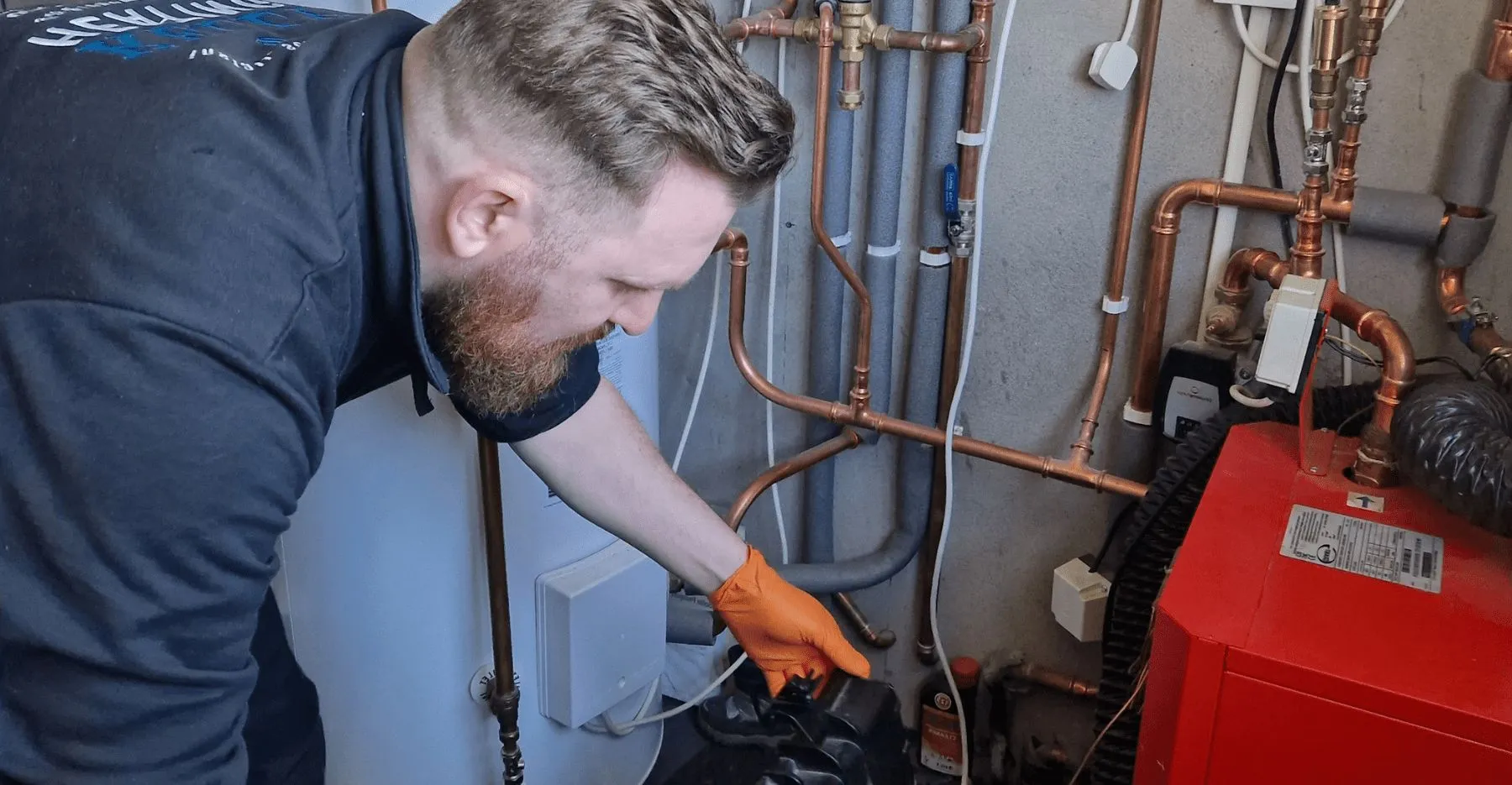

The Installation Process — What to Expect
Get in Touch
Call, WhatsApp or fill in our quote form. We'll ask a few questions about your current system, property and needs.
Site Visit & Assessment
Kieran visits your property, assesses your existing system, and gives you an honest recommendation and a clear, itemised quote.
Installation Day
A like-for-like boiler swap typically takes one day. More complex installations may take longer — we'll confirm the timeframe in your quote.
Commissioning & Handover
The system is fully tested and commissioned. We walk you through your new boiler and controls so you're confident using it.
Certificate & Aftercare
You receive your Gas Safe or OFTEC completion certificate. We're contactable if you have any questions after the job.
Frequently Asked Questions — Boiler Installation Belfast
A like-for-like gas or oil boiler swap in Belfast typically ranges from £1,800–£3,500 depending on the boiler model, system type and any additional work required. We provide a fully itemised quote following our site assessment — no hidden costs.
A like-for-like boiler replacement typically takes one full day. More complex installations — moving the boiler location, upgrading pipework, or installing a new cylinder — may take longer. We'll confirm the expected timeframe as part of your quote.
A combi boiler heats water on demand and doesn't need a cylinder — compact and ideal for smaller homes or one bathroom. A system boiler works with a hot water cylinder and suits larger homes with greater hot water demand. We'll recommend the right type for your property.
We install Worcester Bosch, Vaillant, Ideal, Vokera, Warmflow, Grant and more. We'll advise on the best brand and model for your home, budget and fuel type — we're not tied to any single manufacturer. <a href='/boilers-belfast-northern-ireland/' style='color:var(--blue);font-weight:600;'>See the full list of boiler brands we install and service.</a>
Your home needs to be connected to the mains gas network. If you're currently on oil and want to switch to gas, we can advise on this as a separate service.
Yes — someone over 18 should be present throughout the installation day.
If your boiler is under 10 years old and the repair cost is under a third of replacement cost, repair often makes sense. If it's older, unreliable or repairs are mounting, replacement is usually the better long-term decision. We'll give you an honest view.
Boiler Installation Across Greater Belfast

Kelly Heating NI covers Belfast, Lisburn, Holywood and the wider Greater Belfast area. Whether you're in South Belfast, the Malone Road area, Carryduff, Newtownbreda, Lisburn city, Holywood or the surrounding towns, we're your local heating engineer.
We cover Belfast, Lisburn, Holywood, Dunmurry and Carryduff. Dedicated local pages: boiler installation in Lisburn if you'd like specific local information.